
Universities & early careers
Build readiness.
Before placement season.
Help students understand how they work, where their experience fits, and what proof to build next. Give career teams a programme they can act on.

Potential, with something to show.
Readiness takes more than a polished CV
Connect the signals.
Keep the student central.
Psychometric structure is a starting lens. Peer corroboration, work artifacts, and role context make the conversation more useful.
Assess
Understand work style, drivers, strengths, and development needs.
Corroborate
Bring in peer perspectives on how the student contributes in action.
Build proof
Turn a gap into a project, challenge, or artifact the student can explain.
Prepare
Connect evidence to a target role and practise the next conversation.
One programme. Different perspectives.
A clearer next step
for everyone involved.

Students
Know what to build next.
Start with work style and role fit. Add projects and corroborating peer perspectives, then use the gaps to choose a practical next piece of proof.
- A profile built around experience and work
- Role fit and interview preparation
- A visible path to stronger evidence
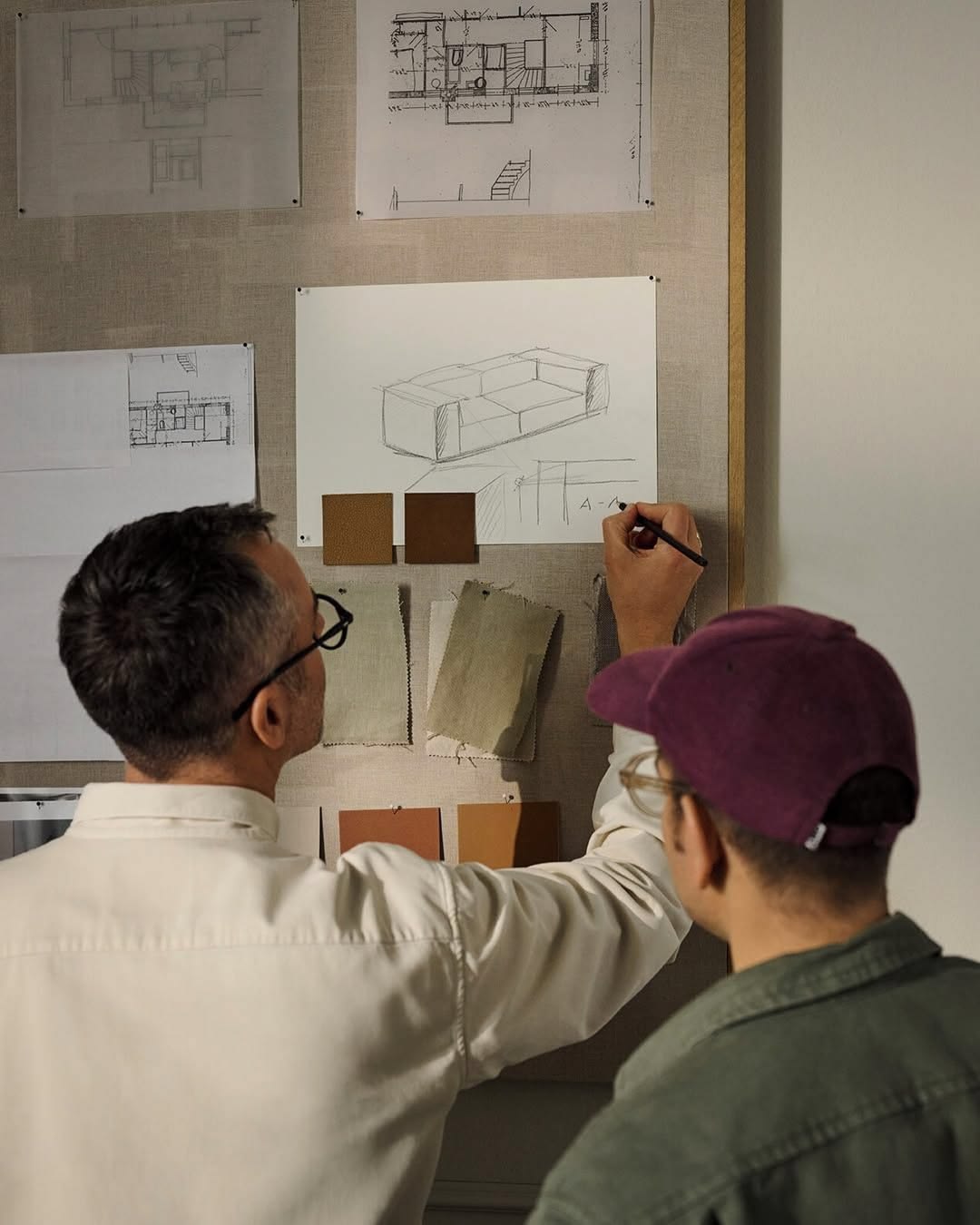
A proposed university pilot
One cohort.
A useful readiness review.
Agree the students, target roles, consent process, assessment scope, and programme length together. Use the baseline to guide a proof-building and coaching cycle, then review the cohort.
Open the partnership briefWhat the university can review.
Development, with consent.
Use the programme to support readiness. Keep student consent, sharing choices, interpretation, and access in the scope. Assessment findings inform a conversation; they do not define a student’s future.
Read the psychometric rationaleWork with SVECTOR
Build your next cohort’s proof.
Bring your placement goals and the student group you want to support. We’ll agree a practical readiness programme with your team.